Strengthen your relationships and forge new connections as you explore
Whether planning a trip with a sibling, partner, friend, or your kids, most people hope their vacation time will bring them closer to those they travel with.
Unfortunately, while travel opens up your schedule and breaks you out of the habits of daily life, this doesn’t always lead to harmony on the road.
New decisions and opportunities can open up new areas of conflict. Long lines, travel delays, jet lag and more can have you and your travel partners at odds and unsure how to recapture the joy, fun, and companionship you imagined while planning your getaway.
Thankfully, your dream trip doesn’t have to dissolve into a series of hostilities or bubbling frustrations. We’ll explore the sources of travel-related blocks to meaningful connection and ways you can design your trip to keep the peace.
Why connection is an essential goal
When it comes down to looking back at our lives, the most important thing we will have invested in is ourselves, and the relationships we have with others. Travel is one important way we can strengthen our bonds with those we love and care about and forge new memories together.
When you explore a new place together, endure challenges and face decisions together you learn more about your travel partner and they learn more about you.
These opportunities to create shared experiences become a meaningful part of your relationship going forward – a key foundation for those, do you remember when…? conversation starters.
According to the New York Times, many of the keys ways to strengthen your connection with someone else pop up when you are traveling!
So, when you are planning a trip to share with someone, whether a friend, partner, child, or family member, remember one of the goals of that trip should be to connect meaningfully with that person.
All types of relationships in all stages of connection will benefit from the opportunities that travel affords, even rocky relationships that might have uncertain futures.
Sources of travel conflict
While connection should always be an important goal and focus of your travel, it’s true that vacationing together opens up new sources of conflict that might be in our daily lives, and possibly allows existing conflicts to endure.
Some key sources of travel conflict include:
Cost & Budget
Money is one of the most argued about things in our lives. It has been a recognized source of tension in couples for decades, and remains the most cited reason for divorce and conflict.
It stands to reason that determining the size of the travel budget and how much you spend while you’re away can lead to significant conflict.
The key to avoiding this conflict is to plan ahead. Recognize that first, a vacation you plan is probably going to cost more than at least one of you anticipated. And second, realize that if you and your travel partner have different money-spending styles, this can create issues.
For instance, I tend to be a budget traveler. My goal is to see as much as I can for a value price, get myself in the room and enjoy every moment of my experience. My husband on the other hand, values the finer things. He likes fancy hotel rooms and elaborate steakhouse dinners. He likes to share these special treats with me.
There is more to discuss about how we personally navigate the money discussion around travel than can be included in this post, but for now, we see this difference in ourselves and we negotiate the key financial investments we make in our trips in advance so everyone is comfortable.
Location
Regardless of how much it costs, where you will actually go on your trip can bring up sources of conflict. If you and your travel partner have drastically different ideas of the types of locations you’re interested in visiting, you need to work through this together.
Can you negotiate a “third” option if you’re both strongly opposed to the other’s choice?
Can you plan two trips, and visit each’s prefered spot?
Can you incorporate aspects of the preferred location into one trip? For instance, a few days at a the beach and a few days touring the big city might give everyone some of what they want most.

There are infinate places to visit and only so much time or money. I firmly believe that all parties should agree to the vacation spot, but this might mean some negotation on the activities that you do while you’re there.
Endless decisions to make
This is one of the toughest parts about traveling, period. There are just so many options and choices and wonderful advice online about what to do, where to eat, what to see, on and on. Once you are actually on your trip, these choices seem to multiply.
Breaking out of our day-to-day routine is a fantastic benefit of travel, and is one of my favorite parts. But it does mean we need to fill all our habitual choices with new, novel decisions. It can be draining.
If you know you and your partner get hung up with decision fatigue while away, plan for this in advance. Perhaps you rotate your typical trip with an all-inclusive resort stay. Maybe you stay in a vacation rental so you can make your meals each night, rather than trudging unfamiliar streets and guessing at restaurant quality.
Be kind to yourself and your travel companions by setting yourselves up for success. Minimize decision making, especially when you’re tired.
Another option here, let yourself take the backseat to decision-making in the moment and be open to enjoying whatever happens! Discovering something unexpected is one of my favorite parts of traveling.
Long-days, tough schedules
When I plan a trip, every single day is brimming full. We typically come home utterly exhausted (I also plan a do-nothing day when we return, before going back to work). Now my kids are a bit older, they often tap-out of my non-stop activity and spend half a day in the hotel or chilling out while I push on.
Regardless, these long days make for tired travelers. Tired travelers are more likely to have short tempers and low patience for restaurant waits, unfamiliar food, uncomfortable temps or weather, on and on.
Be cognizant of how driving too hard can backfire and make your ability to connect or enjoy positive memories harder. I realize now that when I travel with the kids, I need to slow things down. Be more flexible and plan ahead for things like meals and the weather.
One of the best trips I ever took was when my kids were small – 4 and 7 – we spent nearly a week in DC. It was hot and muggy but less so than DC can be in the summer. The streets were long and the sun was shining. They however loved the cool and dark of the subway. I’d pack us a lunch and we’d walk to the subway station and zoom through the city’s underground world from stop to stop. We’d end the day when the museums closed, heading back to our vacation rental where I cooked dinner each night and we’d watch a Netflix show before they headed to bed.
Did we see every single thing I wanted to in DC that week? Nope. Did we find a rhythm that made it fun and do-able for the three of us? Yes, we sure did.
The Unexpected
It’s hard to guess at the unexpected problems that can come up while you are on your trip. When you have planned carefully and thought deeply about how to prevent problems from popping up, it can even feel insulting when planes are delayed and taxi lines are long.
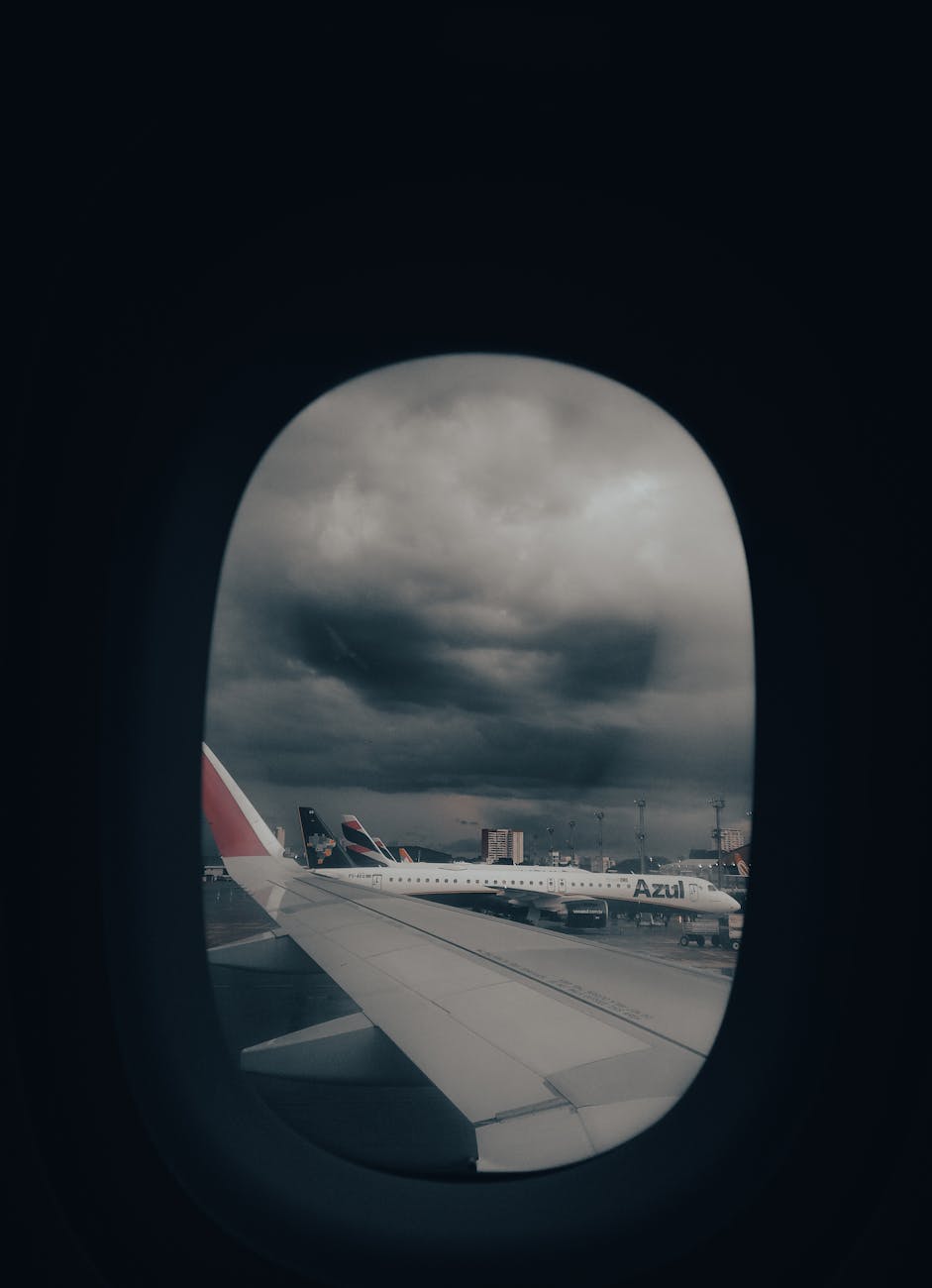
It’s hard to prepare yourself and your travel partners for the unexpected. And it is often dealing with this very issue you can hear families bickering about in corners of the airport or hotel lobby.
Managing the unexpected is tough. My suggestion here again is to always look for a compromise, find ways to use time wisely and actively, and to communicate respectfully.
You can’t prevent the unexpected from getting in the way of your vacation, but you can certainly choose how you respond to it.
Once my husband and I had an unexpected (and really, really frustrating) 4 hour delay in Dallas. It was on our way home and as I already mentioned, I’d run us pretty ragged on our trip. However, we used the time visiting the many terminals, riding the shuttle train, and shopping in stores we don’t typically visit. We enjoyed a luxuriously long lunch and to this day, we both remember that long delay rather fondly.
Make the most of it, and look for ways to connect, even when all seems to be going wrong.
Ways to solve travel conflict before it starts
Communication is the pathway through, around, and over conflicts in your relationship and while on vacation.
Talk to those you are traveling with before and after. Learn about their likes, dislikes, assumptions, goals, and tendencies. Use that critical information to help anticipate problems before they start (hungry kids are always annoying) and try to develop strategies about what to do when things go wrong.
When my newly blended family visited Disney World, we had a plan to separate into two groups if things got rocky with the kids. While my partner and I weren’t happy about it, it was a lot better than sucking an entire afternoon up with one kids’ tantrum.
I’ve more to say on this topic for a later post, but remember: communicate and plan.
Wrapping Up
While there are a lot of obstacles to connecting with your travel partners while on a trip, remember to focus on building a relationship with your special people through your travels. The memories you make together – whether things went as planned or whether nothing went as expected – are essential building blocks to the longetivity of your time shared together and your relationship.
Use the opportunity to share a totally new experience with another person as a special gift that will strengthen your bonds, teach you what walking 20000 steps in someone else’s shoes actually might be like, and recognize the things about yourself that others gravitate towards.
Travel wander woven!