Traveling is expensive business. And make no mistake, meals can be one of those unexpected sources of cost that really make your travel expenses out of control.
In this the second part of a series of articles on Budget Travel vs. Value Travel, we break down how to get good value for the money we spend while traveling.
Part 1 of this series focused on some of the bigger ticket travel costs – transportation and lodging. If you missed it, check it out here.
In this article I’ll review how to get good value for the money you invest in your travel meals, attractions & tickets, and discuss a special vacation situation – the all-inclusive vacation.
Meals
Time and time again, I’ve found the cost of just food has moved to the forefront of our travel expenses. However, unlike transportation and lodging, which are usually purchased in advance and thus, a fixed cost, meal costs can quickly spiral out of control.
I find controlling food costs to be even more difficult when traveling as an entire family – someone always seems to be melting down over hunger and needing a basket of chicken fingers to recover.
Related to meals, I’ve learned to accept these truths.
- You have to feed everyone more than you think and possibly on different schedules.
- Food is very expensive.
- Managing food costs is challenging; getting good value for your money is important.
Given these truths, a mental shift is required in how we think about investing in food while we are traveling. You can take us as an example. My husband loves fancy restaurants. He loves the feeling of a big, ornate restaurant and equates cost with quality when it comes to food.
For me, I love atmosphere and decor and see food as fuel. It should be tasty, fuss-free, and quick. I want to get back out there and see stuff!
However, meals are a great time for us to connect and reflect on what we’ve been doing and seeing and even my feet need a rest now and again.
Identifying these values and goals helps us make better decisions about where we eat and how we think about the cost of that meal. For us, a unique atmosphere with quality food gives our investment value, even if it isn’t the most inexpensive (sometimes it can be!).
If the meal doesn’t give us these two things, we both often find ourselves dissatisfied and like we spent money unwisely. If we get our needs met and goals filled, we feel great and we don’t worry so much about what we spend.
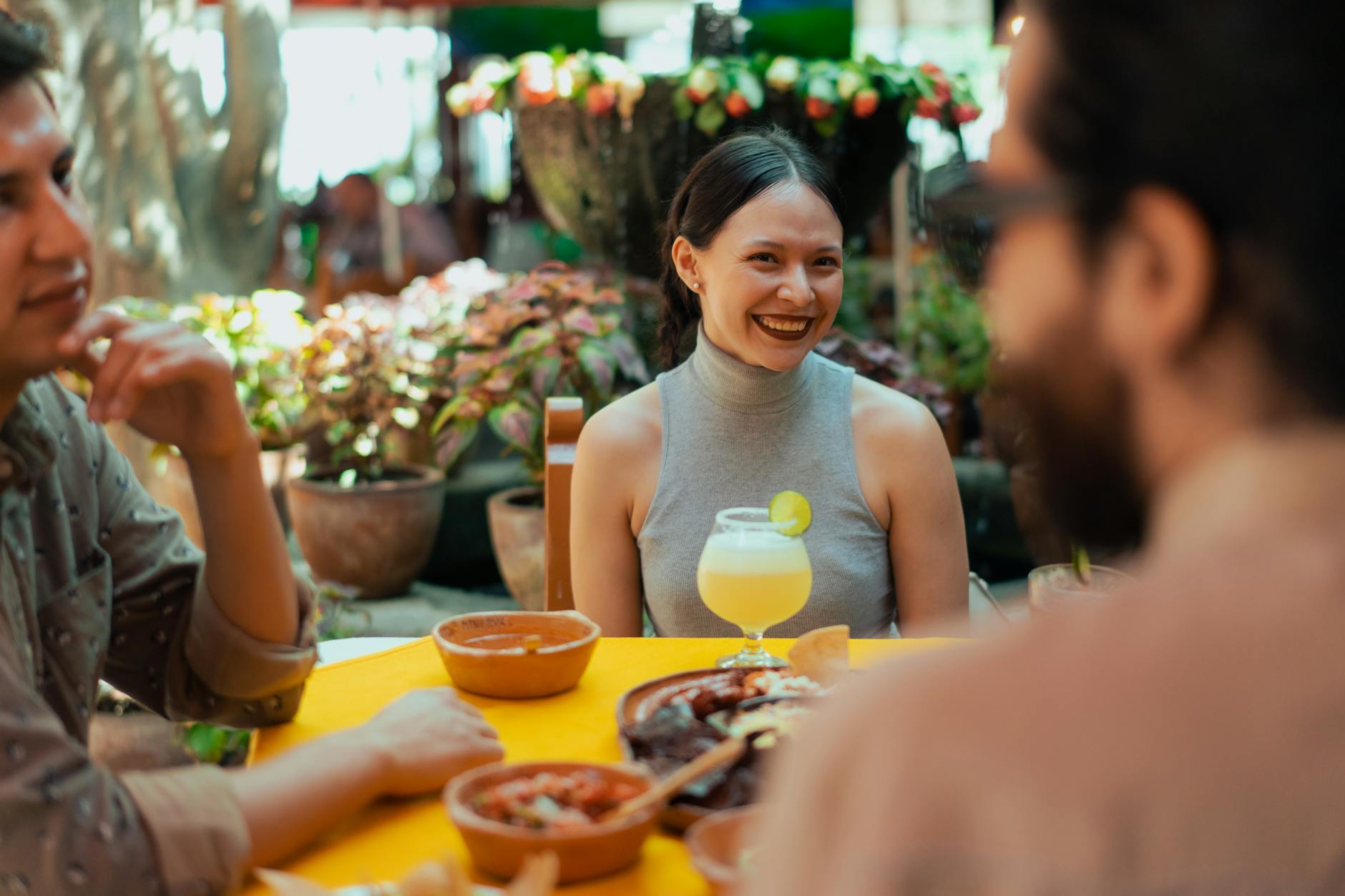
Ask yourself this question, if you had a great experience, would you worry about the cost of this meal? If the answer is no, then spend some extra time finding a location that helps you have a great experience.
Use reviews, recommendations from locals and cues on scene to help you make these decisions. Step into a restaurant and look around before sitting down. Don’t hesitate to get up and leave immediately if something doesn’t jive as you get situated in a place.
Often, we choose to say in AirBnBs which allows us to make some of our own food. We appreciate home cooked meals and the coziness of being together and we save money to boot!
In sum: Be adamant about aligning your values around meals with the money you’re investing. Focus on the experience that you want rather than the ticket cost.
Attractions & Tickets
When researching a destination, you can be easily bombarded with an overwhelming number of options for attractions, museums to visit, tickets and experiences to buy. Local tourism websites, travel planning websites and marketplaces, and Google searches love to share details about all these different options. Even AirBnB is now offering services and experiences through their platform these days.

I’m a big fan of unique and off-the-beaten path attractions, and I am often tempted to fill our our itinerary with a full slate of attractions. This is really hard when planning shore days for cruises – the cruise line is happy to connect you to local partners and it takes a moment of thought to resist those advertisements.
However, these types of travel activities are generally well-vetted by prior travelers. They are designed for travelers so you’ll typically have a comfortable experience on your tour, on your zip line trip, or at your spirits tasting. Investing in these types of activities can help you focus your sight-seeing for a day or give you access to a bucket list spot (hello Tour Eiffel!).
On the other hand, booking tickets in advance holds you hostage to that prior investment. Even if you are having a great time doing something unscheduled on your trip, you’ll feel highly motivated to be sure you use your tickets or pre-paid appointments. It limits your flexibility while traveling.
Here again, it comes down to your travel values (see the theme here?).
What is it that you want from your trip?
Sometimes when traveling with the entire family, a booked tour is a great way to see stuff, laugh, and learn about our destination. On the other hand, I’m happy to explore a museum on my own, without a guide.
Regardless of your specific goals or values, here are my overall suggestions.
- Be strategic. Limit your investment in advance of your trip. Choose to pre-buy only bucket list experiences. Anything else can be added on site, usually.
- Don’t book more than 1 – 2 attractions per day. Things will take longer than you think and you want to have flexibility to explore and call audibles in the field.
- Don’t buy package experiences unless you meet suggestions 1 and 2. These coupled experiences only save you money if you get value for them. And if they align with your travel goals and values.
- If in doubt, say no. It will be ok to see the sites another way.
In Sum: Keep your central goals in mind to ensure you get good value for investing in experiences and attractions while on your trip. You’ll regret the investment if it doesn’t align with what you are hoping to experience and feel on your trip. It’s always ok to say no.
Special Consideration – The All-Inclusive Resort
Lastly, I want to spend a few minutes talking through an appealing travel option for those trying to manage their travel budget. The all-inclusive resort.
In his younger days, my husband fully embraced the all-inclusive resort. He loves the idea of the unlimited “free” food and drinks. The all-day activities against a stunning backdrop.
Me, not so much. The idea of being or feeling stuck to one place when the real actual world of a location is outside of the resort is not my favorite. I don’t eat enough (nor should I) to make the food cost worth it. I am a light drinker.
We did not buy the meal package when we went to Disney World a few years ago and even though food was terribly expensive, we saved a bundle over the meal plan.
However, when our family cruised last year, I instantly saw the value in the all-inclusive investment. My kids were older and eating a tremendous amount and it turned out, getting food was one thing they felt comfortable doing on their own, giving them independence.
And we had lovely midnight dinners at the ship pizzeria where we laughed and were silly and full, again.

Again, know thyself.
If you plan on traveling off resort throughout your trip, you aren’t getting value for your food investment. If you have a family or larger group that needs flexibility in meals or you’re in a very expensive location, the option to eat without thinking about cost can save you time and stress.
Just like options? The all-inclusive will be a great fit for your values.
To help you understand the cost-benefit analysis, look at the expenses and experiences from one of your recent trips. How did food and eating typically go? What worked and what didn’t? What types of activities does your family like to do?
Align those answers with your actual costs. Then lay those against the cost of the all-inclusive trip. Find the balance point between your values and your investment cost.
Wrapping Up
As is always central here at Wander Woven Travel, your specific travel values and goals will help you to make smart decisions about how to use your precious travel dollars and how you are likely to interpret those investments once home.
To help you with your planning process, download my Travel Planning Worksheet and spend time specifically thinking about the value you will experience from the decisions you’re outlining.
One of the best ways to experience value for your travel investment is to meaningfully and deliberately connect your trip back to your everyday life. To help you do this, check out this post on meaningfully capturing your trip and this one where I share my favorite travel journals for recording our adventures.
Till then, travel well!
Cheers,
Andrea