Does this sound familiar? You head out on vacation with the dream of recharging your inner battery, connecting with your friends and loved ones, and experiencing a new place and moment in your life.
Instead, you find yourself frazzled most days. You’re juggling expectations of your travel companions and are constantly debating about restaurant options. One kid has a meltdown over this and the other over that. Your partner hated the museum you chose and your phone battery died while Google Mapping across the city.
Result: You’re as tired or more than before you left on vacation. You had fun, but aren’t sure you really enjoyed yourself while you were traveling.
Sound familiar?
As a person who always travels with the best of intentions and a determined spirit to find fun and excitement, this has happened to me more often than I’d like to admit. I call this problem – “vacation exhausted”.
This post is going to focus in on vacation exhausted as a specific problem, how it affects the team leader more than others in the group, and what you can do to manage your next trip more strategically.
Why does vacation exhausted happen?
Here, I’m going to be honest. The reason vacation exhausted exists is because you are trying to make everyone happy and everyone is not sharing this workload.
Everyone needs something from you and you are trying so, so hard to give it. And as a result, they have fun and you can’t. You are not escaping into your vacation, you have transplanted the functioning of your group in a new location.
Others aren’t taking ownership for the groups’ success/fun/happiness.
This type of vacation is exhausting. At least at home it is easy to whip up food when people are hungry or they can move into activities that interest them, without inferring with others’ choices. People can leave, come, go, connect or disconnect.
On vacation, especially a family vacation, suddenly everyone is thrust together in an unfamiliar environment, without the amenities and conveniences of home, without the flexibility of your daily life.

So, if you are like me, you try to compensate for this by supporting everyone’s needs amidst this change of routine and you quickly wear yourself out.
So, what do we do? The problem can be solved by both planning strategically to account for anticipated problems and by stepping out of a frenetic need to please and soothe into something more healthy for your body and spirit.
Solution #1: Plan well
I’ve found through trial and error, that when it comes to travelling, very little is amazing without an amazing plan.
Each and everyday of your trip needs to involve some type of plan that you share with your travel partners and have reasonable agreement on as a plan. It will take time to create this plan and you’ll probably need to be the most familiar with your destination if you are the trip leader (a formal or informal designation for the one well, making the plan).
Planning well involves a few ingredients:
- Outline the goal.
- Anticipate sources of conflict.
- Give options.
We’ll discuss each of these components so you set your trip up for success.
Have a clear goal
I talk about having a clear travel goal often here on WanderWoven Travel. It’s because if you don’t know what you really want, you won’t ever be able to get there.
Travel goals can be all-encompassing or vary daily. Goals are just want you want to experience or have a part of your trip or your itinerary. Things like…
See amazing sights.
Have fun.
Relax.
Recharge.
Very common goals. Each trip and each travel group will have different goals. For example, my kids are kinda “meh” on scenery. Big on fun and adventure.
My husband and I love just being outdoors vs. stuck inside.
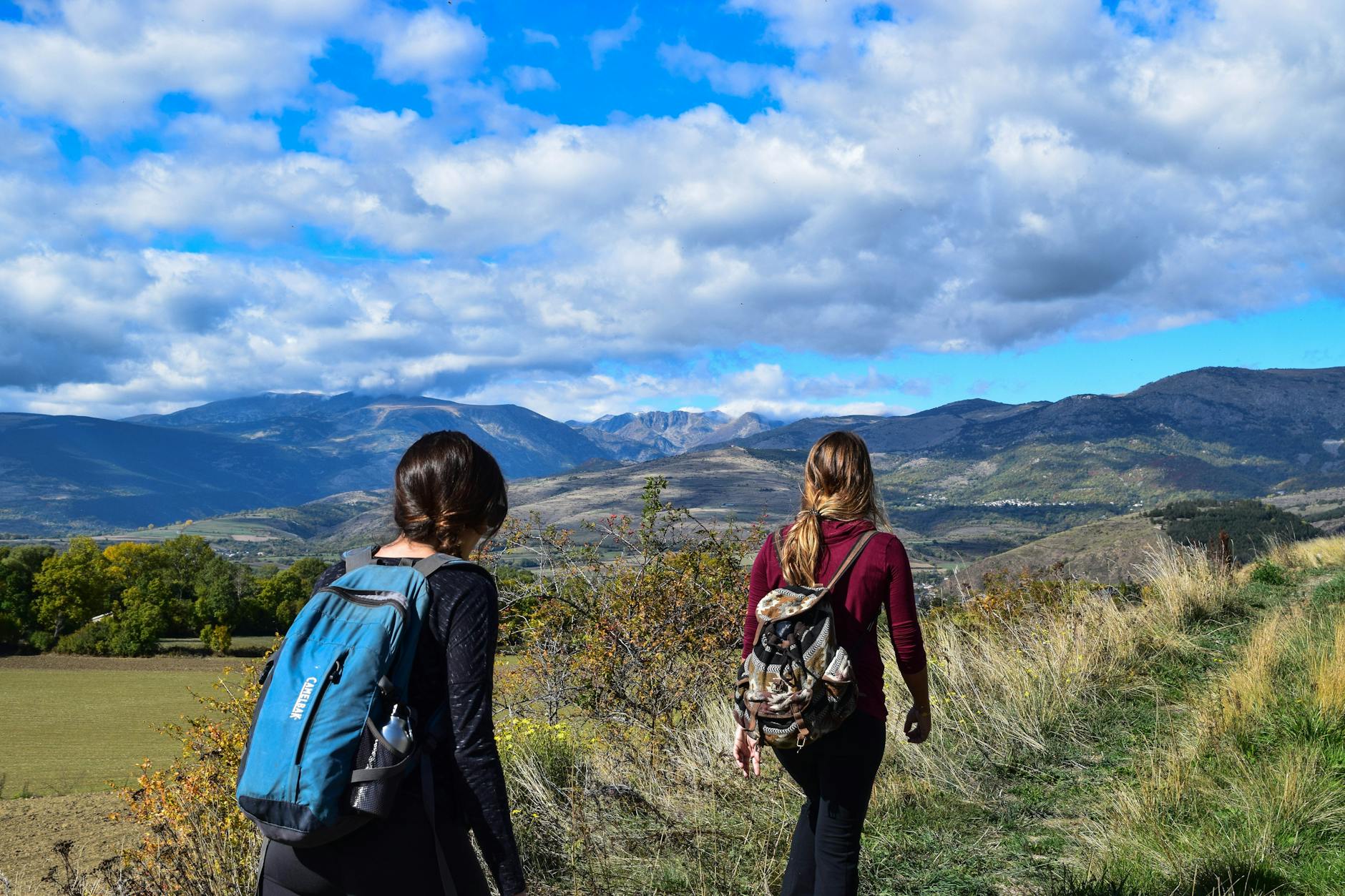
Having and idea of the different types of goals people have for your trip can help you plan strategically to develop an itinerary that meets these goals.
To know the goal you need to do two things.
- Know thy people. What is it that they want/enjoy/need from your trip?
- Know thy location. What options for fulfilling travel goals are available in the place you are going?
Talk to your travel partners even before you start booking things, especially if you are working with teens, people with mobility issues, or people with health problems. These are real life issues that can create a less than favorable experience if you fail to plan in advance.
Ask them – what would make this a good trip for you? What would you like to say you did on this trip when you get back? What’s most important to you (I like to give a couple of options here).
Then, try to match these needs with a potential (or chosen) location. Start brainstorming activities that can match as many needs as possible. Or, given options that allow for everyone to have fun, even if you aren’t together every moment of the trip.
Last year I finally got this right when my entire extended family and I went on a 5 day cruise – endless options!! Every single person had an amazing time.
Anticipate conflict centers
This is another lesson I’ve learned the hard way. But if you can anticipate where conflicts tend to arise, you can try to prevent them or at least give pathways out of conflict.
Conflict can emerge in… choosing activities, places to eat, or pushing someone’s schedule beyond boundaries.
You won’t be able to anticipate everything that will send your travel partners into bickering mode. But by planning strategically you can create a day that sets everyone up to be their best, feel their best, and enjoy themselves.

Cheap tips here:
Be mindful of energy levels: feed people often and take breaks if walking long distances.
Give options whenever you can, but not endless ones.
Be flexible. You might miss something on your itinerary yes, but it’s better to have fun than to fight with your companions.
Give reasonable options
If you’re following the theme here, it is that options are a beautiful way to a harmonious trip that helps tick off all the travel goals. But giving options while traveling is also a bit of an art. When traveling you are usually always constrained by transportation. It isn’t possible for everyone to go everywhere they want the moment they want. So, savvy planning can help you here as well.
Each night when on a trip I spend some time reviewing the upcoming day with my travel partners. I say things like, “here’s what I was thinking for tomorrow”, and, “given how today went, I was thinking…” and then share my plans.
We discuss. We decide. We adjust. We have some level of agreement. When others are involved in the plan they are invested in the trip. They have ownership. This has been very helpful as my kids have gotten older and they want more autonomy out of life in general.
I also try to give a couple of options when we choose somewhere to eat. For example, in this little section, there are these three places. What sounds best?
These small concessions or agreements build goodwill and help everyone be a part of the process.
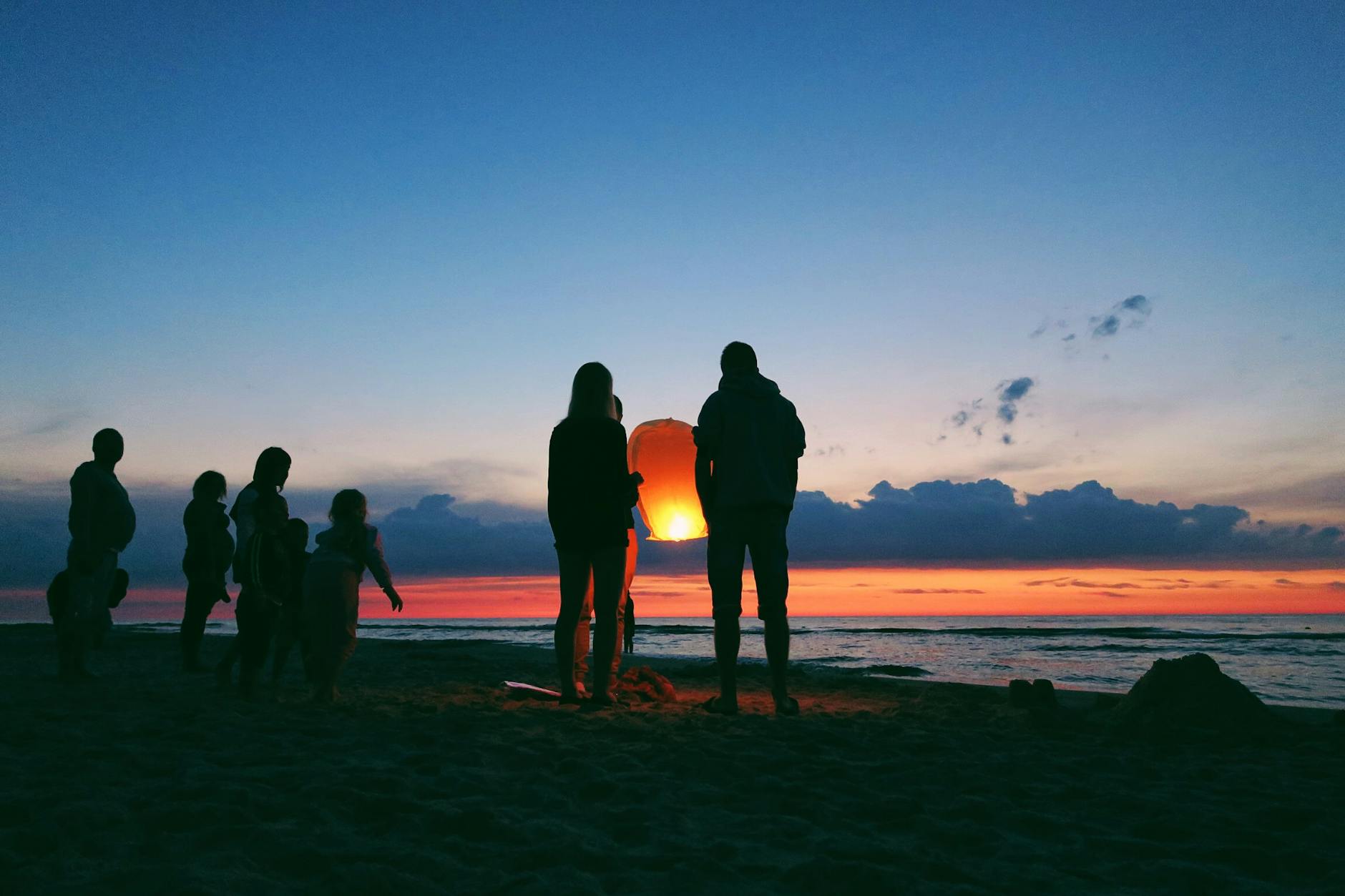
Another blessing in group travel is the ability to split up into smaller groups to accommodate various needs/likes/dislikes. Splitting up was sometimes a lifesaver for my newly blended family when we visited Disney World. One kid is melting down? Please take the other hand have fun for a while as I sort out this person’s issue. It took me a while to be ok with this, and I still prefer the four of us be together, but sometimes, it just isn’t reasonable to expect.
Generally, these are my suggestions to create a travel plan that sets you up to relax and actually enjoy yourself while traveling, rather than taking on and internalizing a whole lot of unnecessary stress. To complete your transport into travel euphoria, start being mindful of you.
Solution #2: Be mindful… of you!
Mindfulness isn’t necessarily something I realized I was doing over the years, until I took a class that highlighted how to use mindfulness to align your career with your inner self. Taking mindfulness out of meditation and into a practical realm helped me see how this type of inner focus can benefit a lot of the activities we do. Like, travel!
My own definition of mindfulness is focusing on this moment. The one you are in right now. Appreciate the positives/negatives and neutral features of this one moment. Label how the moment makes you feel… and let it go. Recognize, label, let it go.
As a traveler, embracing mindfulness has helped me feel more centered and connected to both the people I am with and the place I am visiting. I feel grounded and able to take up the depth and meaning of the experience of travel rather than just hustle for great photo shots and better spots in line.
Mindful travel is the center of a WanderWoven Travel experience – one that isn’t possible without a great plan, as you’ve read all about above. With that plan in hand now look for ways to take up some other benefits.
Center health
While a lot of people see travel as an opportunity to let go of health constraints like diets, exercise regimes, or dry January, I look at this shake up in routine as a chance to lean in to the habits I might like to create.

When we vacation we tend to walk a lot. I get mega exercise! My challenge is to bring this focus on movement back into my everyday and sometimes seditary work/life balance.
When food is pricey and not readily available, I am more selective about what I eat and when I eat it. I eat less! But I eat food that matters because it connects me to the place I visit.
Be present
The central tenent of mindfulness is to just be present in a given moment without worrying about the one just before or the moments to come.
Enjoy this time, this space, these people and conversations. THIS is what you are traveling for. It doesn’t matter how much you spent, where you went, or whether you earned travel rewards.
This moment is what this trip is about. This moment will help you achieve your goal.
Part of being present is allowing yourself time to be grateful. Be thanksful to your planning self for setting things up so well. Be grateful your companions were willing to try something new with you. Thank your partner for being a good sport.
Be off duty
The beautiful thing about a well planned trip is that you don’t have to be “on” all the time. In alignment with your own travel goal, you should be able to build some time that is off-duty for yourself.
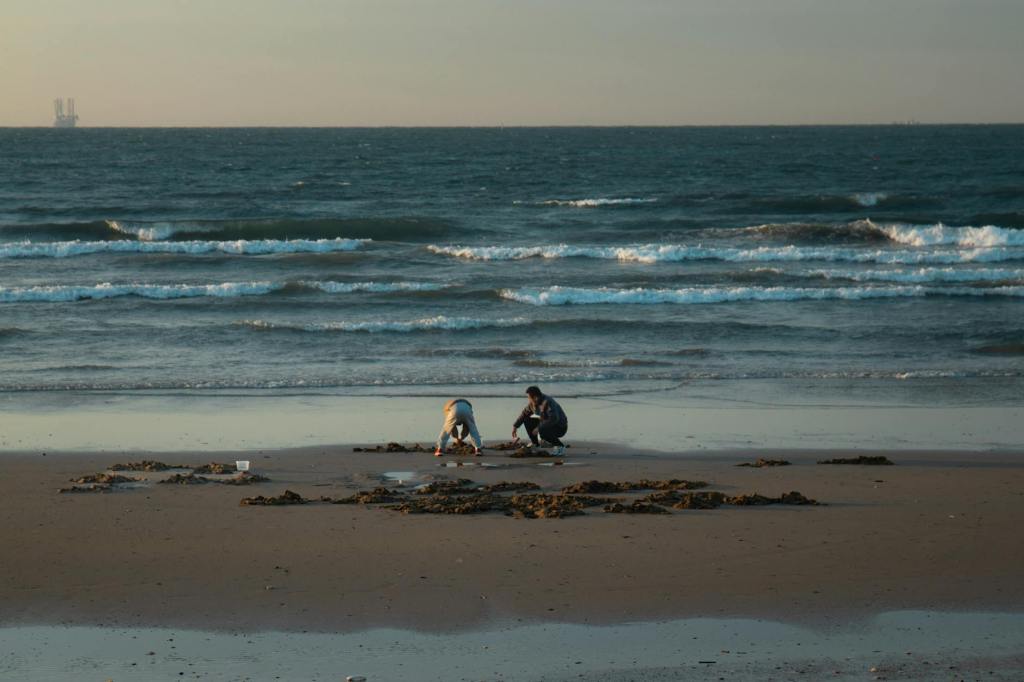
Off duty time looks different to everyone. For me, it is not reading a book by the pool or on the beach. For me, it is beach combing, climbing a hill for a better view, or admiring old architecture on a peaceful street.
Off duty time allows you to connect with the most important person – you!
Connect meaningfully
At home my family eats together nearly every night. We share about our day, talk about frustrations or successes and importantly, laugh.
While traveling I’ve found that meal times aren’t always the best time to connect. People are cranky, easily pull out or get dragged into screens in a restaurant.
Instead, transportation time has emerged as a winning connection time. We’re in the car or on public transportation and we can rest (physically) and take some time to share, laugh, and connect about what we saw and did just prior.

Here, find what’s natural to your group – something that might take a bit of trials to get dialed in. But try each day to find a meaningful time to connect with each member of your group.
Wrapping Up
If you’ve found yourself more exhausted during and after your trip than before, you’re not alone. I’ve been vacation exhausted more times than I can count – and I’ve seen lots of others afflicted with this ailment over the years.
The keys to avoiding this undue stress to yourself are to plan well and prioritize mindful travel, in a WanderWoven way.
To help you with your travel planning, download my planning sheet to get you started on designing a restful and meaningful travel experience, no matter where you go or who you’re with.
Cheers,
Andrea